2009 NHK음악제에 파보 야루비(Paavo Jarvi, 1962- )가 신시내티 교향악단을 이끌고 참여했다. 음악제 참가 말고도, 2주간에 걸쳐서 일본 전역을 순회하며 7차례의 연주회를 가졌다. 주요 레파토리는 라흐마니노프의 교향곡 2번, 드볼작의 교향곡 9번 ‘신세계로 부터’ 와 코플란드, 번스타인 등의 미국작곡가의 작품이었다. 11월 6일자 ‘신시내티 인콰이어리’에 관련기사가 실렸는데, ‘겔펀드’라는 기자가 투어에 동행하여 취재한 글이었다. NHK 프로그램을 보니 월요일 새벽(1:00 AM) 프로에 10월 6일 NHK홀에서 있었던 연주회의 녹화방송이 있다. 1988년에 1년간 신시내티에 있었던 기억도 나고, 심야방송을 보았다. 야루비의 홈페이지에는 벌써 11월 6일자 신시내티 인콰이어러의 기사가 올라와 있었다. 신시내티는 1900년 초반에 융성했던 도시다. 우리나라를 두고 미국과 일본이 밀약을 맺은 소위 ‘가츠라 태프트 밀약’이라는 것이 있다. ‘필리핀은 미국이 갖고, 조선은 일본이 먹는다’는 내용이라고 한다. 두 사람은 모두 외교관들이었는데, 후에 가츠라는 일본의 총리대신, 태프트는 미국의 대통령(1915년경?)이 되었다. 그 태프트가 신시내티 출신으로, 그의 생가는 지금 기념관으로 남아 있다.
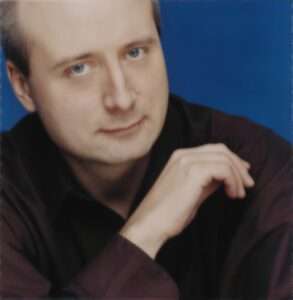
파보 야루비는 에스토니아 출신이다. 드볼작의 ‘신세계로 부터’를 들어보니 음색과 비팅이 날카롭다. 악보에 충실하려는 듯한 연주다. ‘신세계로 부터’는 오래 전에 들은 라파엘 쿠베릭의 연주를 잊을 수가 없다. 첵코가 민주화 되어 오랜 망명생활을 했던 쿠베릭이 귀국하여 첵코필을 스메타나 홀에서 연주했을 때다. 리허설 장면부터 소개되었는데, 곳곳에 역사적인 장면이 연출되었다. 연주회에는 당시 하벨대통령도 참석하여 경의를 표하는 모습도 보였는데, 암으로 시한부 삶을 살 때였다. 음악회 처음부터 끝까지 경청하는 모습이 과연 ‘문화대통령’이라는 면모를 느낄 수 있었다. 쿠베릭의 지휘는 한 마디로 악보를 떠난 감동의 연주였다. 작은 멜로디 하나하나가 어린 시절, 고향 마을 골목에서 뛰놀던 모습을 연상케하고 귀에 익은 동요와 민요들임을 깨닫게 해줬었다.
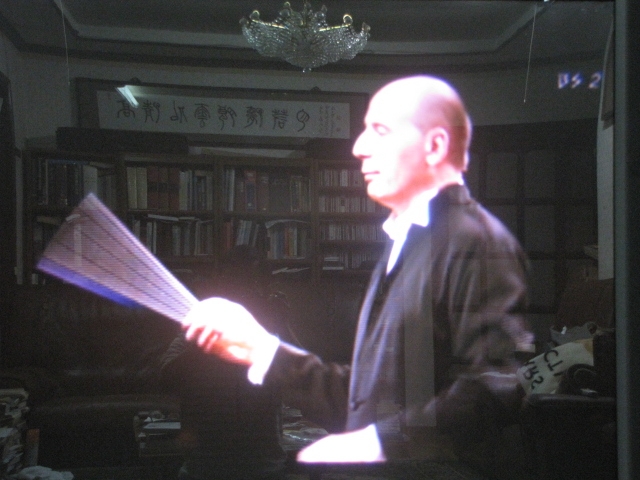
NHK연주회 화면 캡쳐, TV화면에 거실벽면이 비췄음.
참고로 신시내티인콰이어러 기사를 발췌해서 덧 붙였다. 자기 동네 악단이니, 지휘자 야루비는 물론이고, 클라이넷주자도 호른 주자도 잘 알아서 칭찬 일색이다. 그것을 누가 뭐라겠는가. 그렇게 해야 시예산을 쓰는 악단이 존재하는 필요성이 생기고, 시민들의 자긍심도 높아지기 때문이다.
을하
Friday, November 06, 2009
Symphony finale tops first Tokyo show
Janelle Gelfand, Cincinnati Enquirer, Nov. 5, 2009
TOKYO – You wouldn’t think the Cincinnati Symphony Orchestra could top the performance it gave in Japan’s Suntory Hall on Sunday. But in a return visit to this great Tokyo concert hall on Wednesday night, it did.
Musically, the orchestra’s seven-concert, two-week tour of Japan has been a steady crescendo through some of Japan’s finest halls. For the finale in Suntory Hall, the whole tour seemed to be summed up in its performance of Rachmaninoff’s Symphony No. 2 under Paavo Järvi’s leadership.
It was perfection, not only for the romantic sweep, interpretive power and excellent playing, but also for the sheer sonic beauty of this orchestra in an acoustic gem.
Like every other concert here, tickets were expensive (up to $255) but the hall was full, and patrons mobbed the table of Järvi’s CDs – with the CSO and his other orchestras – at intermission. Listeners barely moved during the concert, but they applauded and cheered enthusiastically until Järvi had provided two encores and he finally waved goodbye.
Järvi’s view was spacious as he swept up the orchestra with broad gestures through one great theme after another. He took time to linger on the romantic passages, balancing poetic feeling with drama, energy and drive.
The heart of Rachmaninoff’s Symphony is the slow movement. You could hear a pin drop when Järvi and the orchestra began one of the most gorgeous love themes ever written, and principal clarinetist Richie Hawley performed the famous solo.
Also on Tuesday, the orchestra gave its final performance of Dvorak’s “New World” Symphony. Despite acoustical challenges, the lightness and the expressive detail Järvi achieved was impressive.
As in the other performances, the audience didn’t seem to breathe, especially during Christopher Philpotts elegant English horn solo in the Largo.
Järvi, leading without a score, employed relaxed tempos, breadth and affection. The audience demanded encores, and got two Brahms Hungarian dances, before Järvi pulled concertmaster Timothy Lees off the stage.
The fans continued applauding long after most of the musicians had exited, until finally, Järvi made a surprise appearance, pulling his coat back on for one last bow. At the CD signing later, the long line snaked several times through the hall.